
Prepare Your Body for Winter
Sep 15, 2026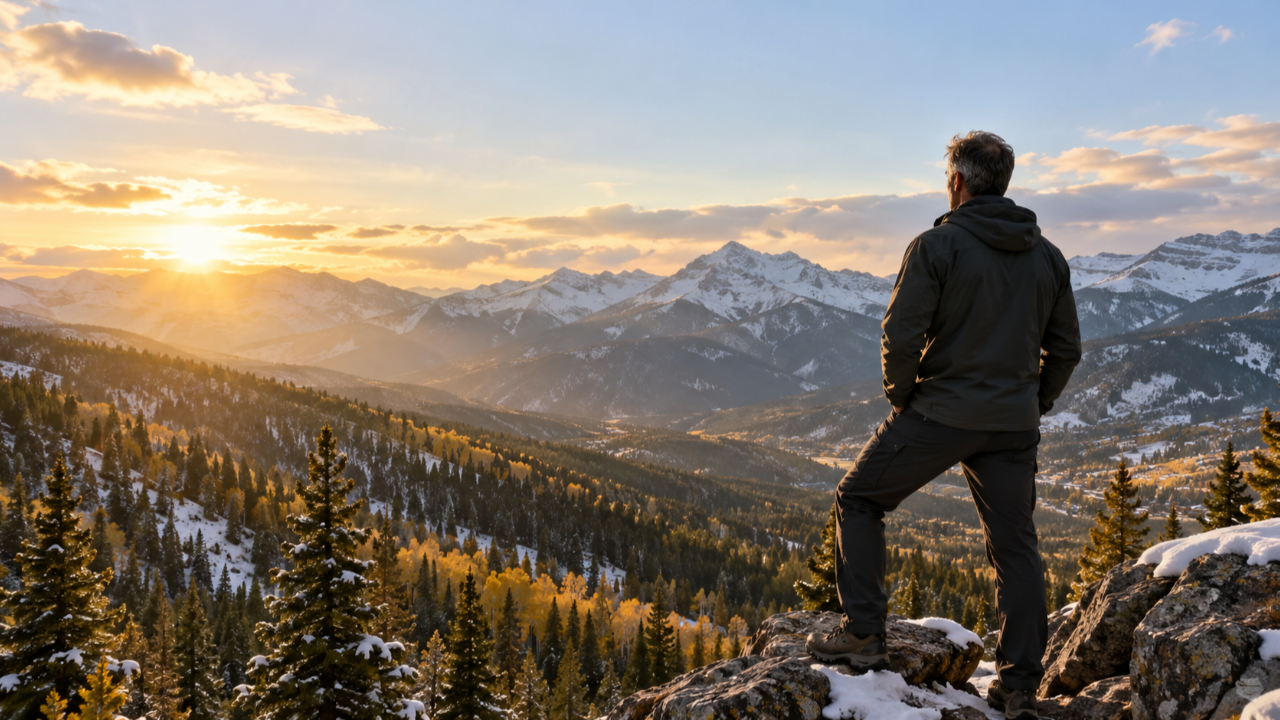
How to Prepare Your Body for Winter Before the Days Get Shorter
Winter preparation should begin before winter arrives.
Most people wait until the days are short, their energy has dropped, their sleep is off, and they feel run down. Then they try to fix everything at once.
A better approach is to take advantage of the sunlight and UVB that are still available and prepare your body for the darker months ahead.
After spending several years in Nicaragua, where UV light is available throughout the year, I’m now preparing for my first full winter back in Colorado. I live at roughly 8,600 feet in Snowmass, so the UV exposure here is stronger than it is in many northern locations. However, the seasons still change, the days will get shorter, and winter will arrive quickly.
Here’s what I’m doing to prepare—and how you can create a realistic winter health routine wherever you live.
Why Sunlight and UVB Matter Before Winter
Sunlight does much more than help your body produce vitamin D.
Light is one of the primary signals controlling your circadian rhythm—the internal clock that influences your sleep, energy, hormones, appetite, and recovery.
UVB is the portion of sunlight that allows your skin to produce vitamin D. In much of the Northern Hemisphere, UVB availability drops significantly during fall and winter. The farther north you live, the more noticeable that seasonal decline becomes.
That’s why the sunlight and UVB still available right now are so important.
Many people spend most of their day indoors, even during summer. They enter winter without much consistent sun exposure and then wonder why their energy, mood, sleep, and resilience decline.
The goal isn’t to burn your skin or chase extreme exposure. The goal is to build regular, sensible outdoor time into your life while UVB is still available.
Get Outside Consistently
You don’t need to turn sunlight into another complicated health protocol.
Start by getting outside every day. When conditions allow, expose more than just your face and hands, but always remain within your individual tolerance. If your skin starts feeling hot or uncomfortable, cover up or move into the shade.
Your skin type, medications, health history, altitude, location, and time of day all affect how much sun exposure is appropriate. Sensible exposure matters more than forcing a specific number of minutes.
A simple starting point could include:
-
Getting outdoor light shortly after waking
-
Taking a 10-minute walk after meals
-
Working or exercising outside when practical
-
Spending time outdoors while UVB is available
-
Avoiding sunburn
Even when winter UVB is limited, outdoor full-spectrum daylight still helps support your circadian rhythm.
Know Your Vitamin D Level
Instead of guessing, consider having your vitamin D level tested through your healthcare provider.
Vitamin D can be stored in the body, so entering winter with an adequate level may provide more of a buffer as UVB exposure decreases. However, more isn’t automatically better, and excessive supplementation can cause health problems.
Testing gives you useful information. From there, you and a qualified healthcare professional can decide whether changes to your sunlight exposure, food, or supplementation make sense.
Adjust Your Food With the Season
As sunlight and activity change, your nutrition may need to change too.
During winter, I tend to reduce some of the carbohydrates I naturally eat during the brighter, more active months. I place most of the carbohydrates I do eat around training and emphasize more nutrient-dense animal foods.
Foods that naturally provide vitamin D and other important nutrients include:
-
Fatty fish such as salmon, sardines, trout, and mackerel
-
Egg yolks
-
Liver and other organ meats
-
Vitamin D-fortified foods
Traditional cold-weather cultures often relied heavily on fatty fish and other nutrient-dense foods because their environment didn’t provide strong UVB exposure throughout the year.
You don’t need to follow a perfect seasonal diet. Simply pay attention to how your environment, activity level, hunger, and recovery change as winter approaches.
Use Heat and Light Intentionally
Humans have always gathered around heat during cold, dark months.
Saunas, hot tubs, hot springs, and sitting near a fire can provide warmth while creating an opportunity to slow down. These tools don’t replace sunlight or medical care, but they can become useful parts of a winter recovery routine.
Some people also consider UVB lamps designed specifically for human vitamin D production. These devices require careful use and aren’t appropriate for everyone.
If you’re considering one, choose a product intended for human use, follow the manufacturer’s safety instructions, protect your eyes as directed, and speak with a healthcare professional—especially if you have a history of skin cancer, light sensitivity, or take medication that increases light sensitivity.
I prefer using brighter light earlier in the day and softer, warmer light at night. In the evening, I avoid harsh overhead lighting whenever possible and use warmer bulbs to help my body recognize that the day is ending.
EMR TEK (You want the Krypton)
Protect Your Circadian Rhythm During Winter
Winter naturally brings shorter days and longer nights. Your body may need more sleep and recovery than it does during summer.
Modern life encourages us to ignore those signals. We stay under bright lights, scroll on our phones late into the evening, and remain mentally stimulated until the moment we try to sleep.
Then we wonder why we’re exhausted but can’t shut off.
A better winter light routine can be simple:
-
Get outdoor light soon after waking.
-
Spend time outside during the brightest part of the day.
-
Dim your environment after sunset.
-
Reduce bright screens and overhead lights at night.
-
Keep your sleeping and waking times reasonably consistent.
Your biology responds to repetition. Small signals repeated every day are more powerful than an occasional perfect day.
Learn How to Shut Off
One of the biggest problems I see—especially among high achievers—isn’t an inability to work hard. It’s an inability to stop.
People may sit still while their minds continue racing. They scroll, watch television, answer messages, play games, or consume information all evening.
Their bodies are technically resting, but their nervous systems never receive a clear signal that it’s safe to downshift.
Walking is one of the simplest ways to practice shutting off.
Take a 10-minute walk without your phone. Pay attention to what you see. Breathe through your nose. Allow your mind to settle without adding more stimulation.
The goal is to regain the ability to turn your system on when you need it and turn it off when the work is finished.
My Simple Winter Health Plan
My approach this winter isn’t based on one magic product or complicated protocol. It’s a collection of basic habits:
-
Get sensible sunlight and UVB exposure while it’s still available
-
Continue getting outdoor light throughout winter
-
Monitor my vitamin D level
-
Eat more fatty fish, egg yolks, and nutrient-dense foods
-
Use heat through saunas, hot tubs, and fire when available
-
Keep my evenings darker and quieter
-
Walk regularly without my phone
-
Match my sleep, nutrition, and activity more closely to the season
You don’t need to do everything at once.
Choose one or two actions that fit your life and begin now. Winter is much easier to handle when you prepare before your energy, mood, and sleep begin to decline.
The basics are still the basics: get outside, eat real food, respect the light-dark cycle, move your body, and learn how to shut off.
Those simple habits can make a meaningful difference in how you feel throughout the winter.
This article is for educational purposes only and isn’t medical advice. Sun exposure, vitamin D supplementation, UVB devices, and heat exposure may not be appropriate for everyone. Consult a qualified healthcare professional about your individual needs.

